
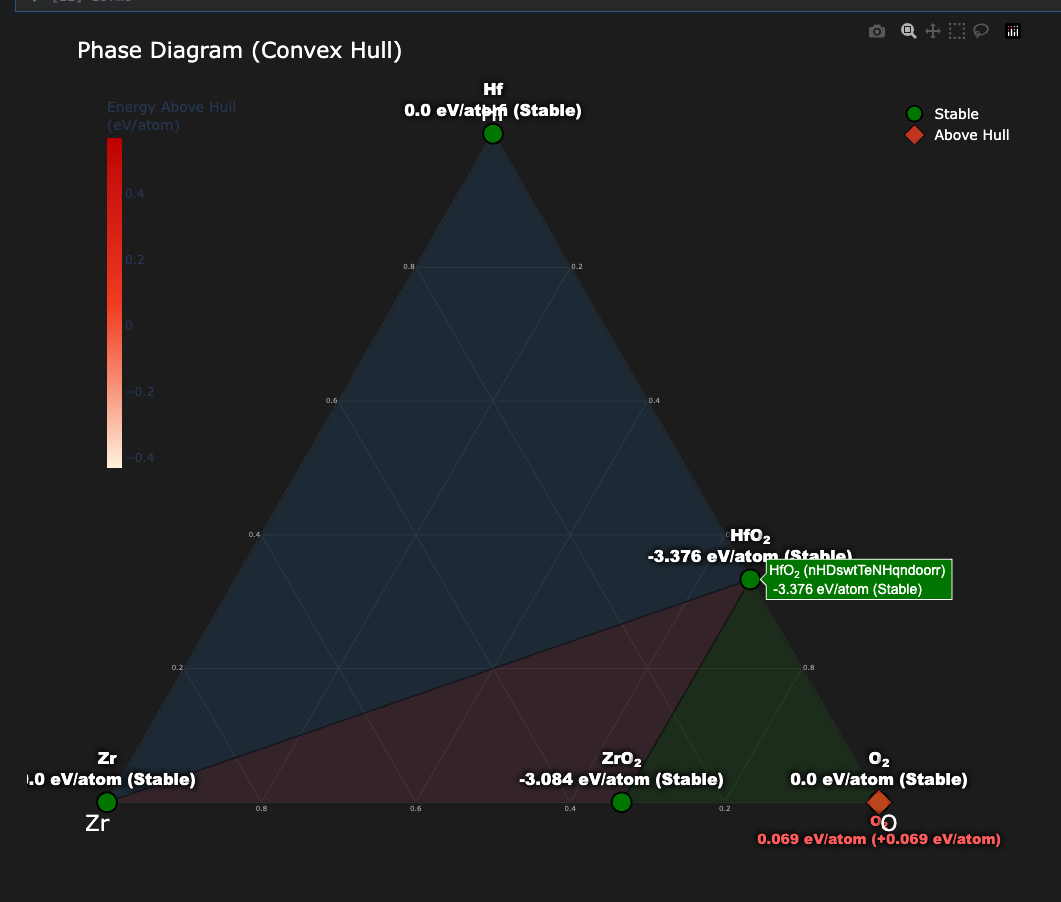
Release 2026.7.25 introduces multiple fixes and new capabilities. We highlight (1) a new workflow demonstrating the phase diagram (convex hull) calculations; (2) an improved Jupyter notebook demonstrating Formation Energy calculation for compound materials, and (3) a new jupyter notebook demonstrating defect formation energy calculations and more.

Release 2026.7.25 introduces multiple fixes and new capabilities. We highlight (1) a new workflow demonstrating the phase diagram (convex hull) calculations; (2) an improved Jupyter notebook demonstrating Formation Energy calculation for compound materials, and (3) a new jupyter notebook demonstrating defect formation energy calculations and more
Per the screenshot below:
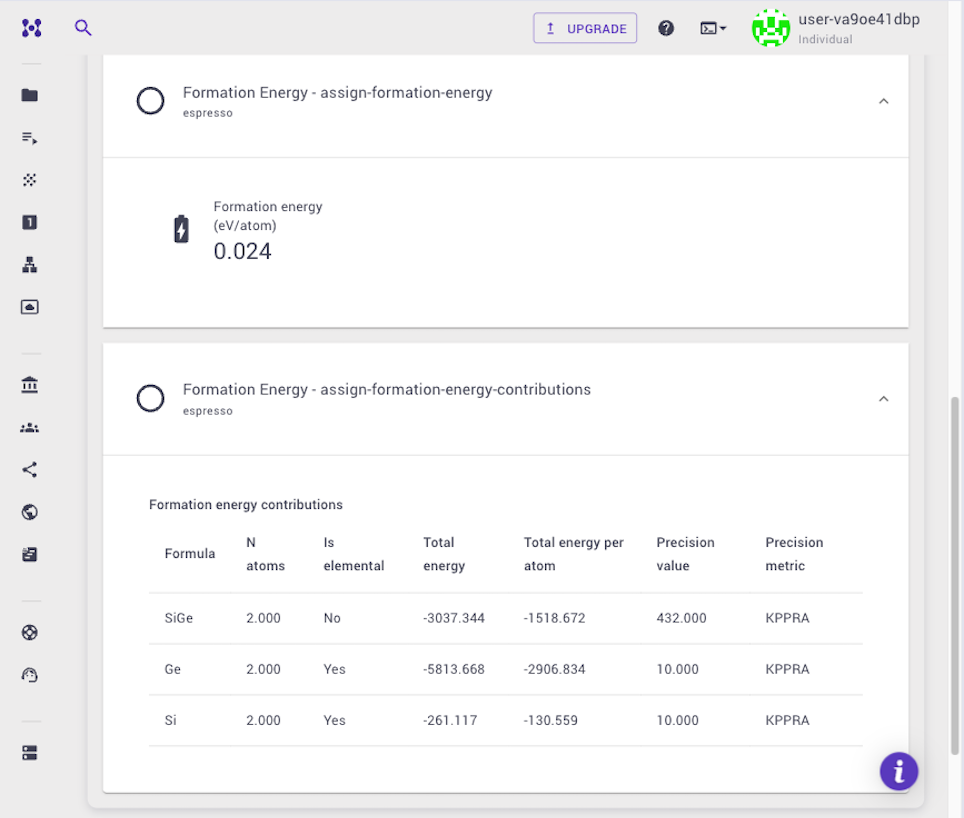
Improved workflow for formation energy calculation with tracking elemental materials platform-wide, org-wide and user-wide:
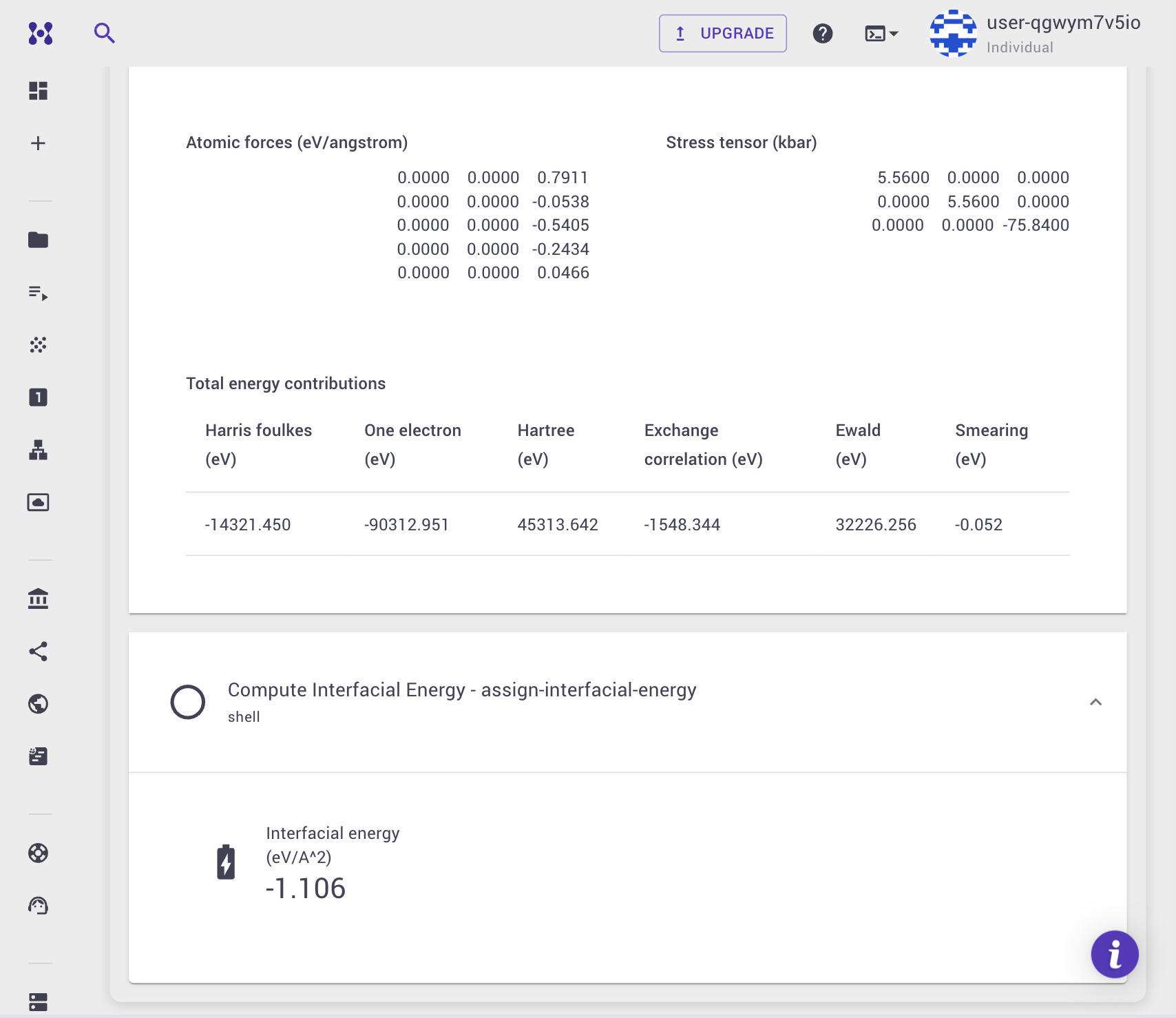
We continue populating the api-example notebooks with example calculations per the visual below - for interfacial energy extraction:
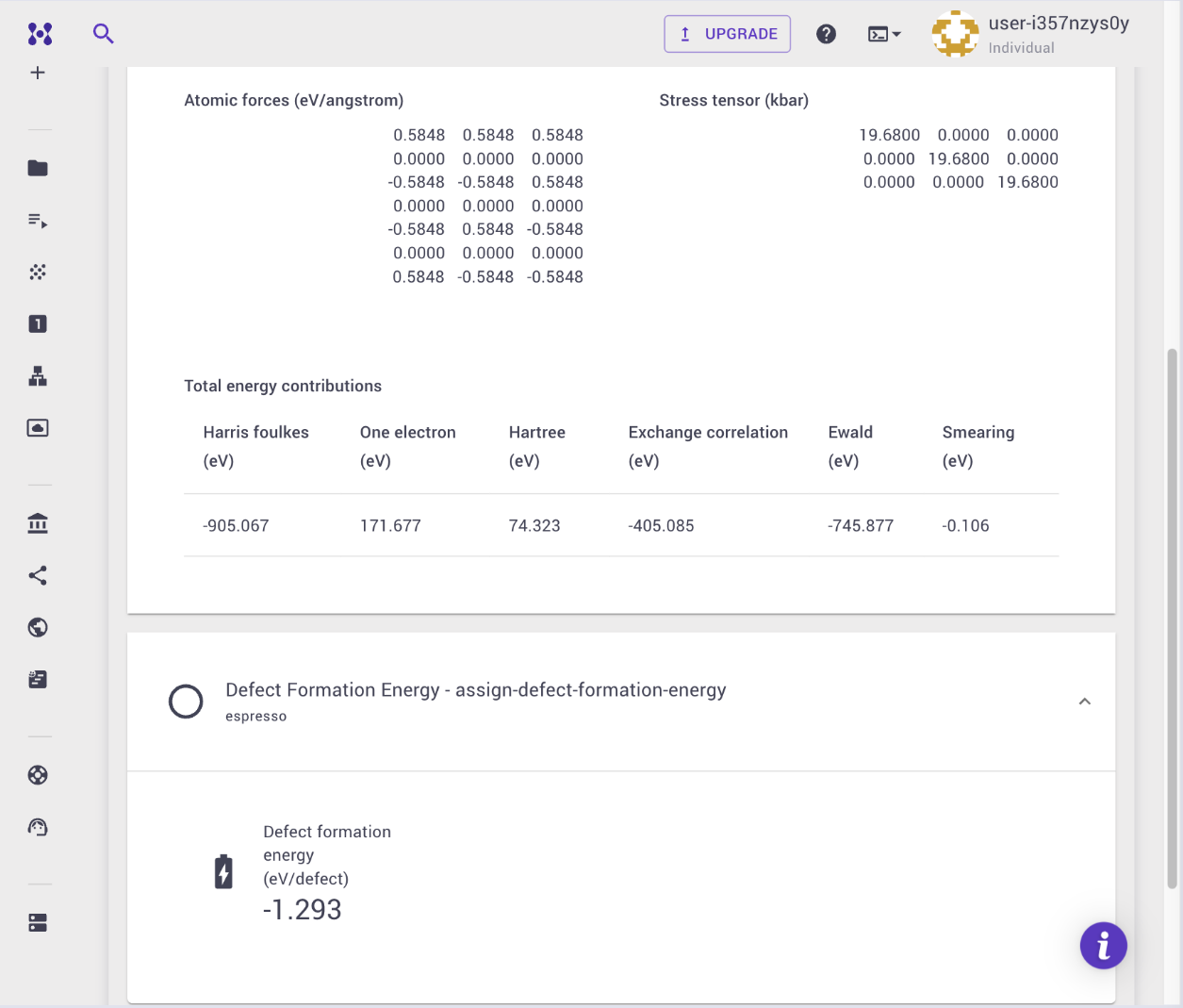
Following on the formation energy logic and chemical potential extraction, we added defect energy calculation workflows, per the screenshot below:
Try the new functionality online at https://platform.mat3ra.com/

1212 ブロードウェイプラザ、セット #2100
1212 Broadway Plaza, Ste #2100 Walnut Creek, CA 94596
+1 (510) 473 7770
info@mat3ra.com
Mat3ra Japan K.K.
Otemachi Building 6F Inspired Lab,
1-6-1, Otemachi, Chiyoda-ku, Tokyo 100-0004 Japan


